
Key Takeaways
- This is a sourced educational list, not a ranking by wealth, profit, or popularity.
- Each trader is included for public career records connected to currencies, futures, commodities, or global macro trading.
- Famous trades are not trading systems and should not be copied without a plan, risk limits, and context.
- The useful lesson for beginners is process: market research, position sizing, discipline, and review.
Top Forex Traders and Why They Are Studied
Lists of top forex traders often become unreliable when they turn into wealth rankings, legend, or unverifiable profit stories. This page takes a narrower approach: it highlights notable traders whose public records connect them to currency markets, futures, commodities, or global macro trading.
The purpose is not to suggest that a beginner can copy these trades. Professional macro traders often work with institutional research, large capital bases, derivative instruments, and risk systems that are very different from a retail trading account.
Last reviewed: May 2026 · Named-person facts checked against public reference records.
How We Selected This List
Traders were included when they had a public record in currency, futures, commodities, or global macro trading and a source record from a recognised public reference or publication. This list avoids net-worth rankings, richest-trader claims, and unsupported statements about trading performance.
This is not a list of the richest forex traders, and it does not claim that these traders' outcomes are repeatable. Forex trading involves significant risk of loss.
Top Forex Traders List
The list is unranked. Numbers are used only to make the page easier to scan.
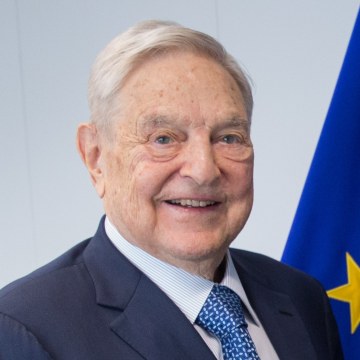
George Soros
Why he is on this list: Britannica records Soros as establishing the Soros Fund, later the Quantum Endowment Fund, and describes his large sterling position before the 1992 pound devaluation.
What he did: Soros is one of the most cited figures in currency-market history because of the 1992 sterling trade associated with Black Wednesday. Britannica also notes that not all of his market calls succeeded, which is a useful reminder that even famous traders face losses and uncertainty.
Lesson for learners: Macro conviction still needs risk control. A famous trade is not a repeatable signal by itself.
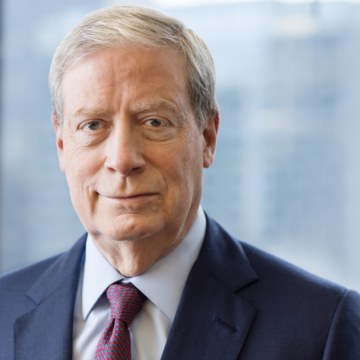
Stanley Druckenmiller
Why he is on this list: Public records identify Druckenmiller as founder of Duquesne Capital and as lead portfolio manager for the Quantum Fund while working with George Soros.
What he did: His career is closely associated with top-down macro investing and the 1992 sterling trade. Public reference records also describe a style that used futures and currencies as part of broader market views.
Lesson for learners: Currency trades often connect to central-bank policy, interest rates, and cross-market positioning rather than chart signals alone.
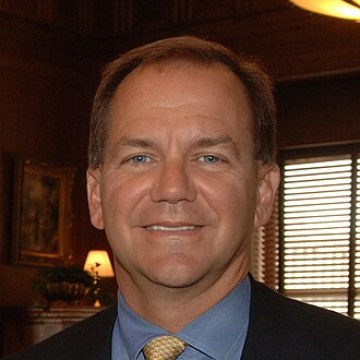
Paul Tudor Jones
Why he is on this list: Public records describe Tudor Investment Corporation as active across fixed income, currencies, equities, commodities, and derivatives, with global macro among its strategies.
What he did: Jones began in commodities and built a macro trading firm whose public record includes currency-market activity. He is often studied for his emphasis on market timing, discipline, and risk-aware positioning.
Lesson for learners: Forex does not sit in isolation. Currency moves can interact with bonds, commodities, equity indices, and central-bank expectations.
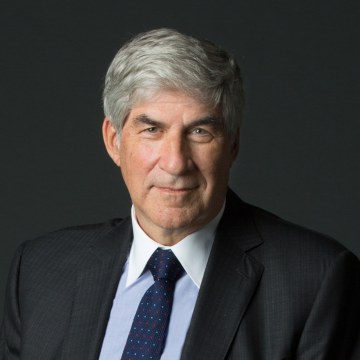
Bruce Kovner
Why he is on this list: Public records identify Kovner as founder of Caxton Associates and describe his earlier role as a trader under Michael Marcus at Commodities Corporation.
What he did: Kovner's career spans commodities and diversified trading, making him relevant to global macro and currency-market education. His first major trading lesson is commonly described in terms of risk management after a volatile futures position.
Lesson for learners: Early profits can hide poor risk control. The lesson is not the size of a trade, but the importance of exits, exposure, and drawdown limits.
Michael Marcus
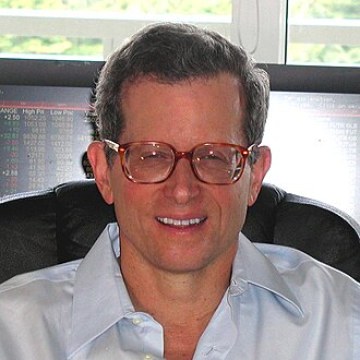
Why he is on this list: Public records identify Marcus as a commodities trader, an executive at Commodities Corporation, and a trader interviewed in Jack Schwager's Market Wizards.
What he did: Marcus is relevant because currency traders often study futures and commodity traders for lessons in trend following, risk management, and chart interpretation. Public records also connect him to learning from Ed Seykota.
Lesson for learners: Process develops over time. Mentorship, review, and repeated risk decisions matter more than one isolated trade story.
Joe Lewis
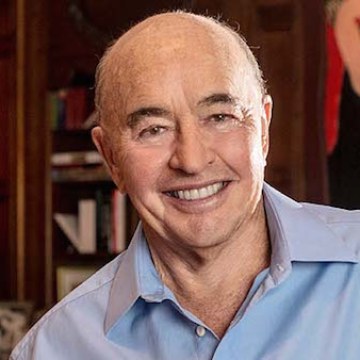
Why he is on this list: Public records describe Lewis moving into currency trading in the 1980s and 1990s and taking a position around the pound's exit from the European Exchange Rate Mechanism in 1992.
What he did: Lewis is included for his currency-market connection, not as a recommendation or endorsement. His record is a reminder that well-known traders and investors may have complex careers beyond a single market episode.
Lesson for learners: Historical currency events can involve policy regimes, central-bank pressure, and institutional-scale positions that retail traders should study cautiously.
What Forex Learners Can Take From Famous Traders
The most useful lessons are general principles, not trade copying. Public trading stories often leave out position sizing, risk limits, funding, liquidity, timing, and the emotional pressure of holding a position while markets move against it.
Beginners can use these profiles to ask better questions: What was the market context? What risk was being taken? What would invalidate the idea? How was the position managed? Those questions are more useful than trying to imitate a famous trade after the fact.
Forex trading involves significant risk of loss. Studying famous traders does not guarantee better results and does not remove the need for a written plan, demo practice, and strict risk controls.
Frequently Asked Questions
Who is the most famous forex trader?
George Soros is often cited because of the 1992 sterling trade associated with Black Wednesday. This page does not rank traders by wealth or profit, and there is no official single most famous forex trader.
Are top forex traders good models for beginners?
They can be useful case studies for process, risk control, patience, and market context. Beginners should not copy large macro trades, because professional traders often use capital, tools, leverage, and risk controls that retail traders do not have.
Does this list rank traders by profit or net worth?
No. The list is not a wealth ranking and does not make net-worth claims. It highlights people with public records connected to currency, futures, commodities, or global macro trading.
Can retail traders copy famous forex trades?
Copying famous trades is risky because the original trader's capital base, timing, information, and risk limits may be very different. Retail traders are better served by studying principles such as position sizing, planning, and risk review.
Why are macro traders included on a forex traders list?
Many major currency trades are part of global macro trading, where traders evaluate interest rates, central banks, inflation, fiscal policy, commodities, bonds, and equity markets together. That is why several well-known macro traders are relevant to forex education.
Study Process Before Position Size
Use a free FXGlory demo account to practise planning, order placement, risk controls, and journal review before considering live forex trading.
Open a Free Demo AccountDemo trading uses simulated funds. Live forex trading involves significant risk of loss.