Advantages of Forex Trading: Benefits, Risks and Pros & Cons

Learn the advantages of forex trading, including flexible hours, major-pair liquidity and long or short trading, plus the risks of leverage, volatility, costs and broker conditions.
 
Written byHenry Green
Published
Last updated

Key Take Aways

  • The main advantages of forex trading are 24/5 market access, high liquidity in major pairs, the ability to go long or short, lower entry barriers, smaller position-size options and access to global currency movements.
  • Every forex advantage has a matching risk. Market access can lead to overtrading, leverage can magnify losses, and low commissions do not mean trading is free.
  • Forex may be worth learning for traders who understand risk, use a plan, start small, journal trades and accept that losses are part of trading.
  • Forex may not be a good idea for people who want quick income, dislike losses, use high leverage without a plan or cannot follow risk rules.
  • Forex is accessible to beginners, but it is not automatically suitable for beginners. Easy account access does not make trading easy.
  • Forex trading is usually active speculation, not passive investing. It requires risk management, execution discipline and regular review.
  • Before trading forex, traders should understand leverage, spread, slippage, swap, volatility, liquidity, broker conditions and withdrawal rules.
  • Only count a forex feature as an advantage if you understand the risk attached to it.
Risk note: Forex trading involves risk and can result in losses. The advantages of forex trading do not remove the risks of leverage, volatility, liquidity changes, spread, slippage, swap charges, broker conditions, emotional decisions or poor risk management. This page is educational content, not financial advice.

Quick Answer: Advantages of Forex Trading

15-second answer: The main advantages of forex trading are 24/5 market access, high liquidity in major pairs, the ability to go long or short, lower entry barriers, smaller position-size options and access to global currency movements. The main disadvantages are leverage risk, volatility, costs, counterparty risk, emotional pressure and the difficulty of trading consistently.

Forex has real advantages, but none of them removes risk. Each benefit becomes useful only when the trader understands the risk attached to it.

The rule to remember:

Only count a forex feature as an advantage if you understand how it can also work against you.

A useful decision starts with three questions: what forex can offer, what can go wrong, and whether the risks fit your situation.

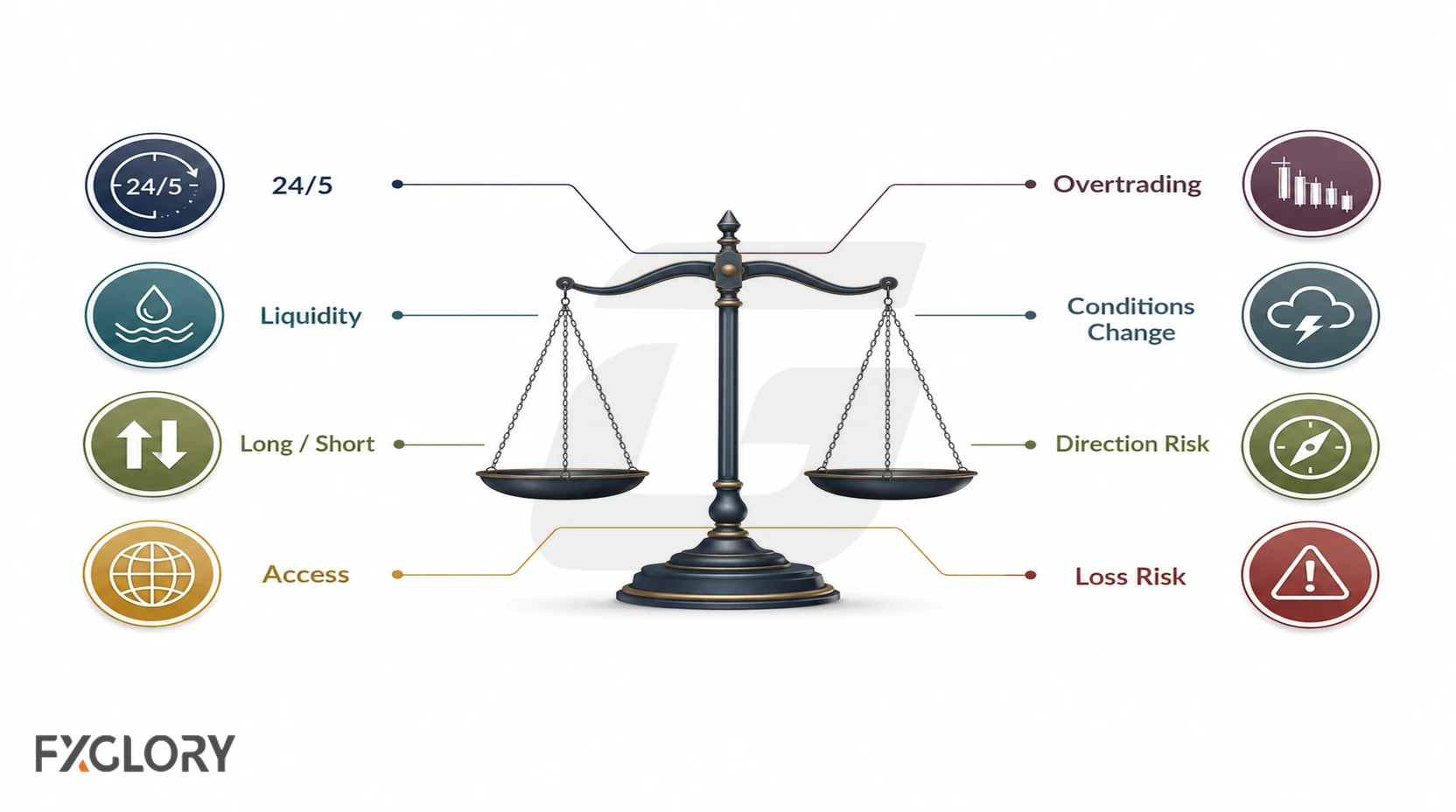
Forex Trading Advantages and Disadvantages at a Glance

Forex is often presented as flexible and accessible. That can be true, but flexibility and access do not make trading easy.

Advantages of Forex TradingDisadvantages of Forex Trading
24/5 market access: Major currency markets operate across much of the weekday.Overtrading risk: More access can lead to trading too often or at poor times.
High liquidity in major pairs: Major pairs often have active participation.Liquidity varies: Conditions can weaken around holidays, rollover, news, quiet sessions or exotic pairs.
Long and short trading: Traders can buy or sell a currency pair.Direction risk: More ways to trade can also mean more ways to be wrong.
Lower entry barriers: Many brokers offer demo accounts and smaller position sizes.Suitability risk: Easy access does not mean forex is suitable for everyone.
Leverage: Traders may control a larger position with margin.Larger losses: Leverage can magnify losses as well as gains.
Currency-pair choice: Forex offers exposure to global currencies and macro themes.Complexity: Interest rates, inflation, policy, risk sentiment and correlations can affect pairs.
Potentially low direct commissions: Some forex accounts are spread-based.Trading is not free: Spread, slippage, swap, commissions and other fees can still apply.
Demo practice: Traders can practice platform use and order placement.Demo limits: Demo results do not guarantee live results because live emotions and execution can differ.

Advantage vs Hidden Risk

The safest way to understand forex advantages is to pair every benefit with its hidden risk and the condition that makes the benefit useful.

AdvantageWhen It HelpsHidden Risk
24/5 market accessUseful for traders who need flexible timing.Can lead to overtrading, poor sleep and trading outside a plan.
High liquidityMost useful in major pairs during active sessions.Liquidity can weaken in quiet periods, around rollover, during holidays or in less active pairs.
Long and short tradingUseful when the trader understands base and quote currency direction.More direction choices can create more bad trades if there is no setup.
Lower entry barriersUseful for demo practice and smaller position-size learning.Easy access can attract traders before they understand risk.
LeverageUseful only when position size and maximum loss are capped.Can quickly enlarge losses if used to oversize trades.
Low direct commissionsUseful when total cost is understood before entry.Spread, slippage, swap and fees can still reduce results.
Hedging possibilitiesMay help manage certain currency exposures.Can add complexity, cost and correlation risk.

Main Advantages of Forex Trading

1. 24/5 Market Access

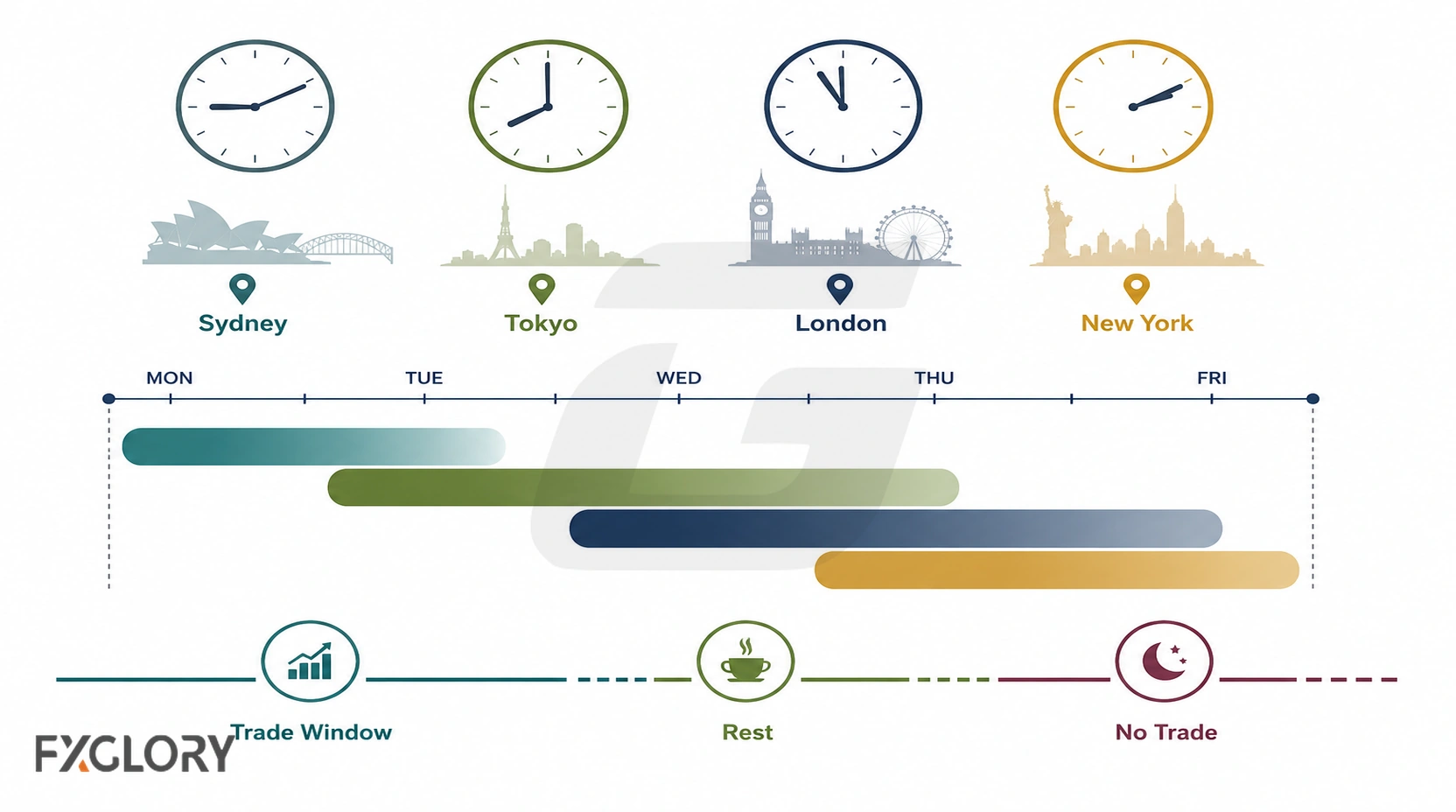
One advantage of forex trading is that the market is active across much of the weekday as major financial centers open and close around the world. This can give traders more flexibility than markets that operate only during one local exchange session.

This flexibility can help traders who cannot watch markets during one fixed time window. A trader may choose a session that fits their schedule and trading plan.

Watch out: 24-hour access is flexibility, not permission to trade all the time. More hours can create more chances to overtrade, chase movement, trade while tired or enter outside a plan.

The advantage matters most when the trader has defined sessions, rest periods and do-not-trade rules. Without those limits, market access can become a disadvantage.

2. High Liquidity in Major Currency Pairs

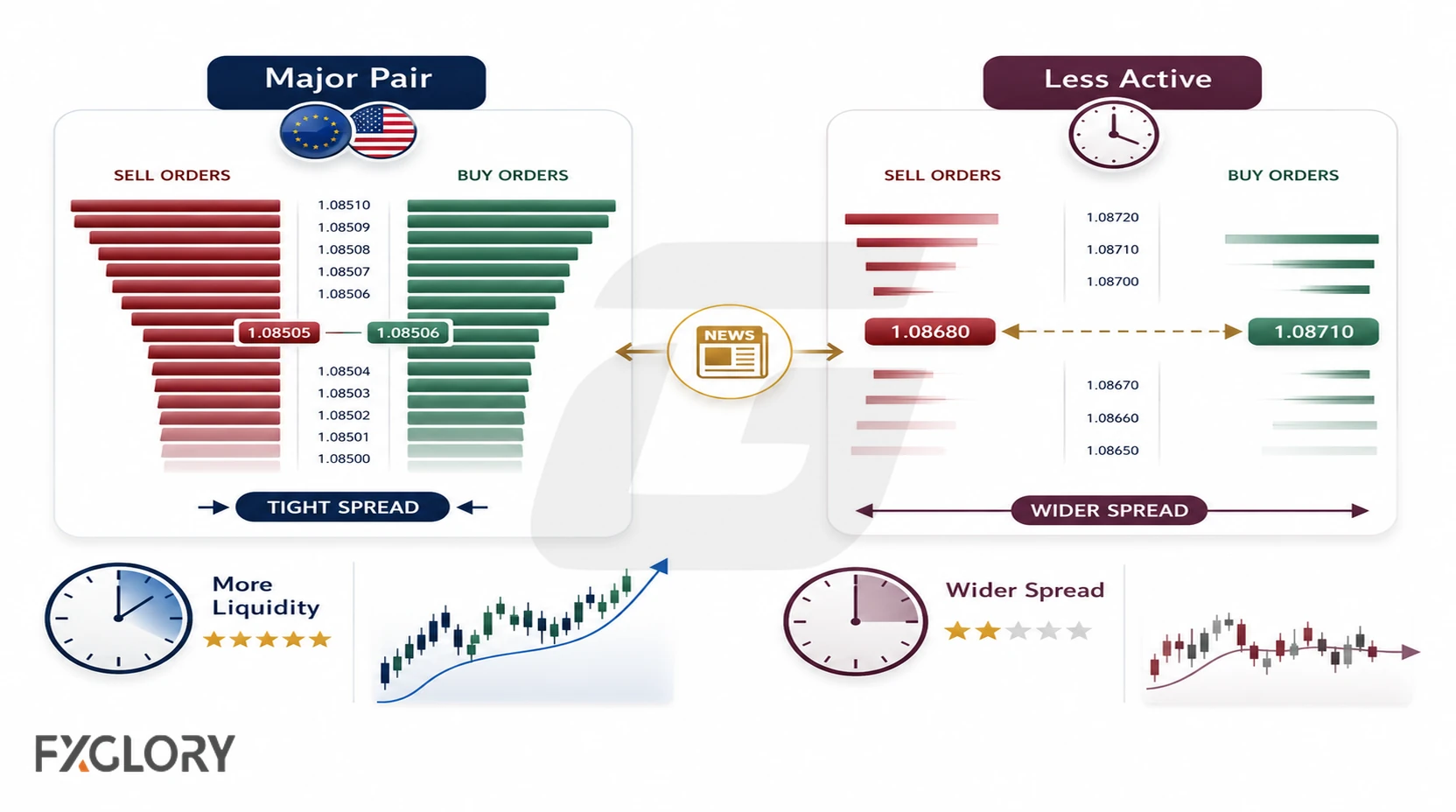
Forex is known for high liquidity, especially in major currency pairs. Liquidity can help traders enter and exit positions more efficiently and may support tighter spreads in active conditions.

Liquidity is not equal everywhere. Major pairs such as EUR/USD or USD/JPY may behave differently from less active or exotic pairs. Liquidity can also change by session, news event, holiday period, rollover time and market stress.

High liquidity is an advantage when:

  • the trader focuses on pairs they understand,
  • the session is active enough for the strategy,
  • spread and slippage are within the plan,
  • the trader avoids assuming every pair is equally liquid.

For more detail, see what is liquidity in forex.

3. Long and Short Trading

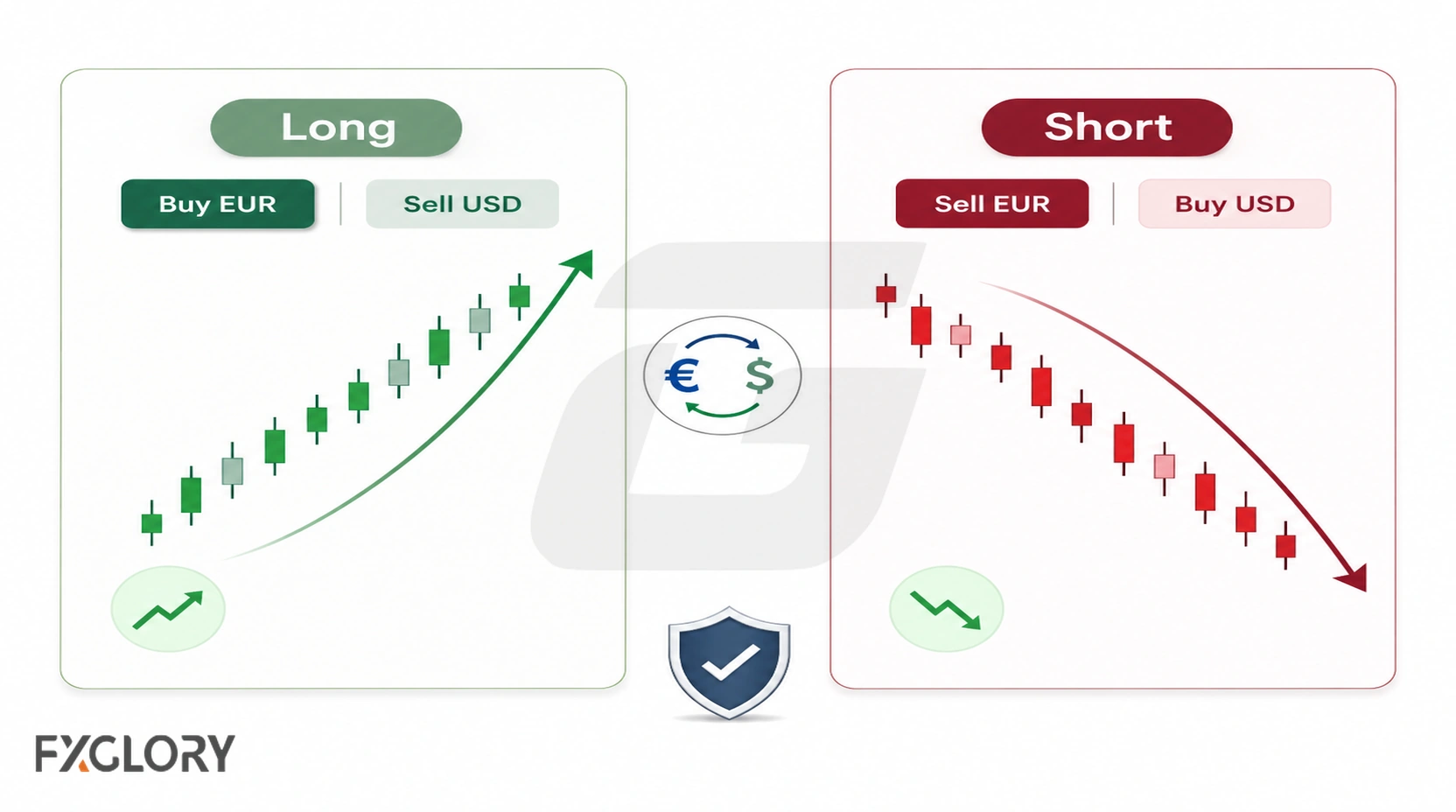
Forex trading naturally involves buying one currency and selling another. This means traders can take long or short views on a currency pair.

For example, if a trader buys EUR/USD, the trader is buying euros and selling U.S. dollars. If EUR/USD rises, the long position moves in the trader's favor. If a trader sells EUR/USD, the trader is selling euros and buying U.S. dollars. If EUR/USD falls, the short position moves in the trader's favor.

This is a useful feature because traders are not limited to only rising markets. They can form a view on whether one currency may strengthen or weaken against another.

Watch out: The ability to go long or short does not make price direction easier to predict. A trade still needs a setup, risk limit, stop-loss and exit plan.

For practical trade examples, see forex trading examples.

4. Lower Entry Barriers and Smaller Position Sizes

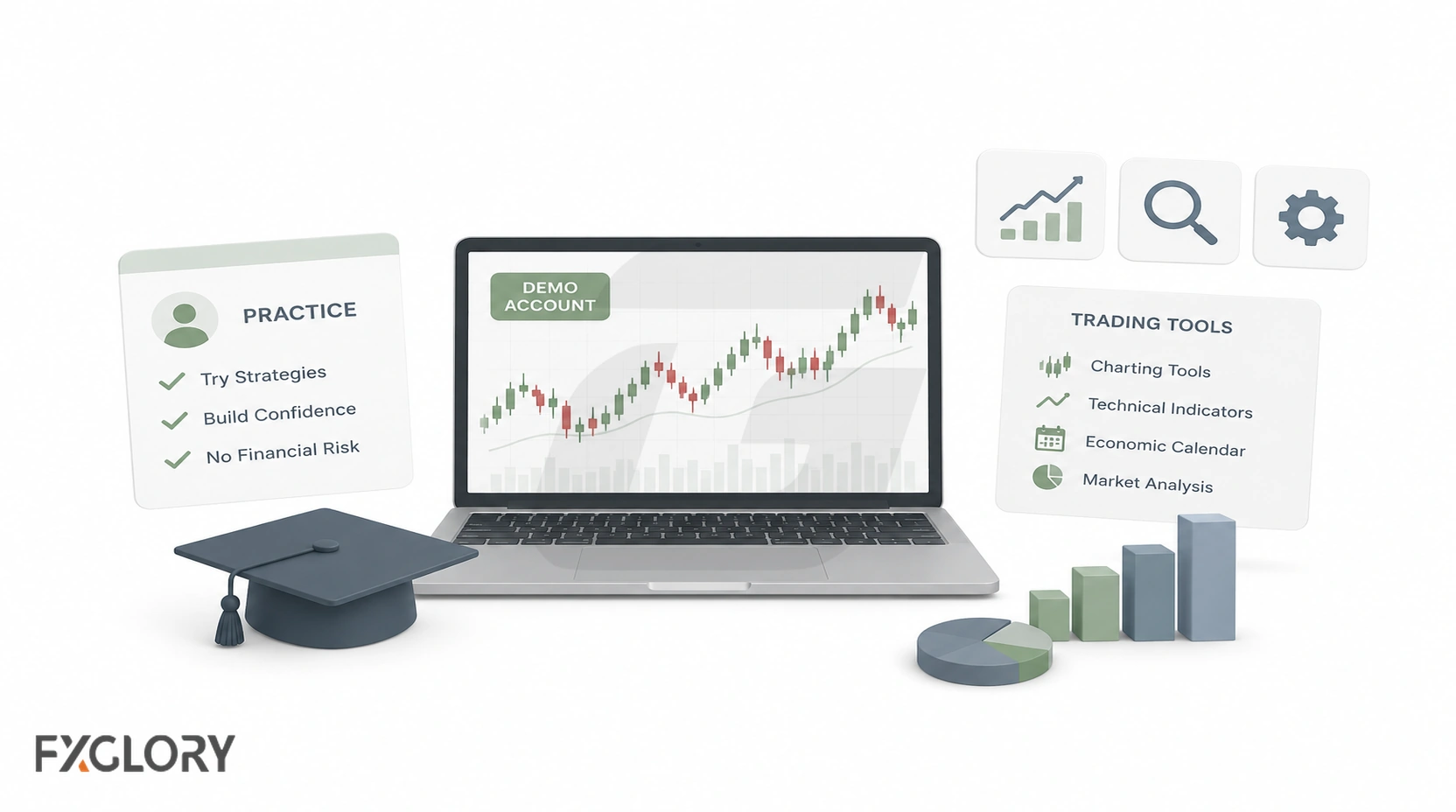
Another advantage of forex is accessibility. Many traders can start by learning on demo, using smaller position sizes and practicing order placement before increasing risk.

This can be useful because a beginner does not need to start with large position sizes to learn basic mechanics. Demo accounts and smaller trade sizes can help traders practice entries, exits, stop-loss placement, journaling and platform use.

But accessibility should not be confused with suitability. Easy account access does not make forex simple, low-risk or appropriate for everyone.

Accessible FeatureResponsible UseRisk If Misused
Demo accountPractice mechanics, platform use and journaling.Assuming demo results will match live results.
Small position sizesLimit damage while learning execution and discipline.Increasing size too quickly after a few wins.
Easy account accessLearn gradually with a written plan.Trading before understanding risk, costs and leverage.

Forex is accessible to beginners, but it is not automatically suitable for beginners.

5. Leverage: Advantage and Disadvantage

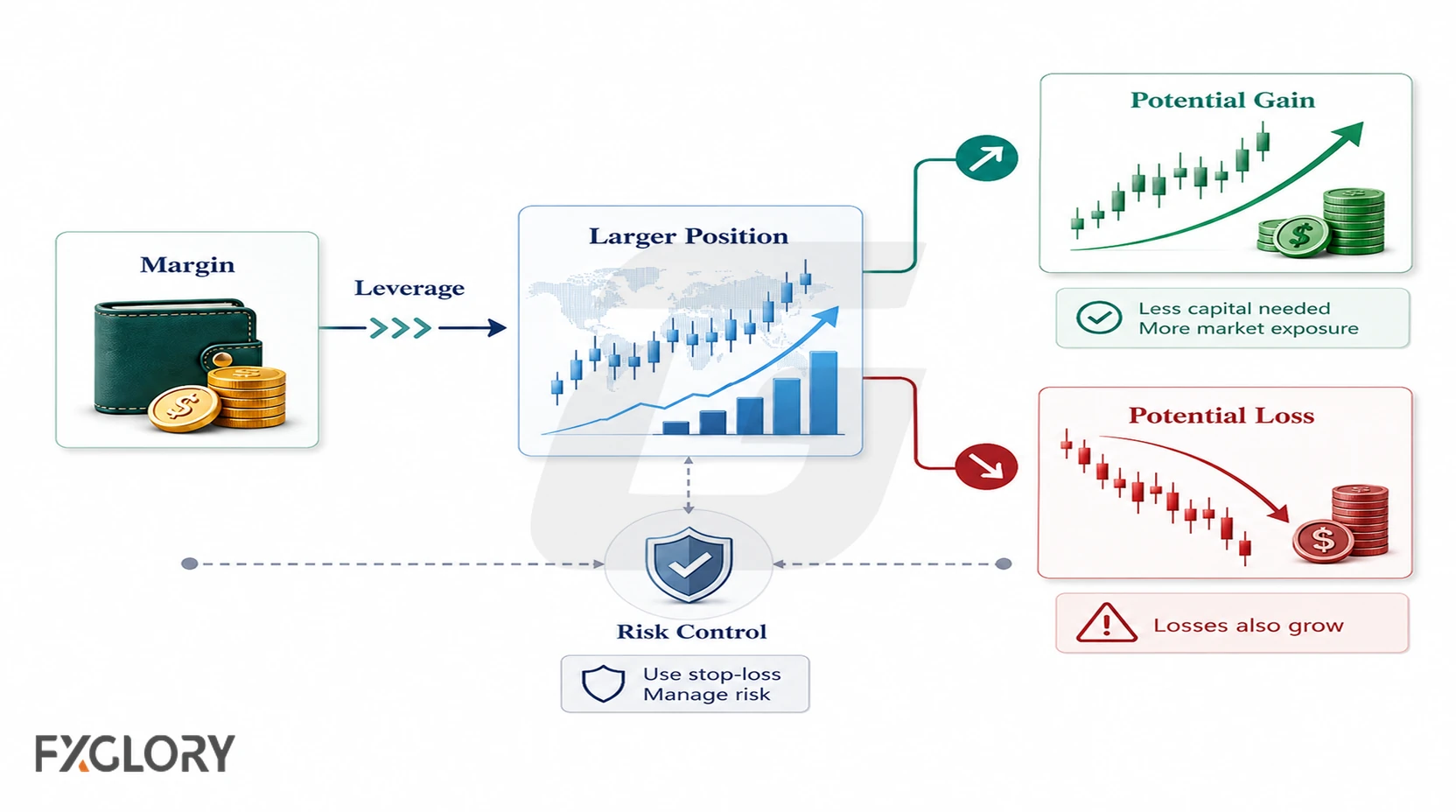
Leverage is often described as a forex advantage because it allows traders to control a larger position with a smaller margin requirement. That can make capital use more flexible.

But leverage is also one of the biggest forex risks. Profit and loss are based on the full position size, not just the margin used to open the trade. If the position is too large, even a small price move can cause a large loss.

The responsible rule is:

Leverage is only an advantage when position size and maximum loss are controlled before entry.

Leverage becomes dangerous when traders:

  • increase size because more margin is available,
  • use leverage to recover losses,
  • trade without a stop-loss,
  • ignore open risk across multiple positions,
  • use the same lot size even when stop-loss distance changes.

For deeper guidance, see best leverage for forex.

6. Currency-Pair Choice and Global Market Exposure

Forex gives traders access to currency pairs connected to global economies. Exchange rates can react to interest rates, inflation, employment data, central-bank policy, risk sentiment, trade flows and geopolitical events.

This can be useful for traders who want exposure to global macro themes rather than a single company or stock market.

The risk is complexity. Currency pairs can move for several reasons at once, and different participants may affect price differently. Central banks, banks, institutions, corporations, hedge funds, brokers and retail traders may all participate in different ways.

More pairs do not always mean more diversification because pairs can share the same currency, central-bank theme or macro driver.

For background, see forex market participants.

7. Low Costs, Spreads and Swap

Some forex accounts advertise low commissions or commission-free trading. That can be an advantage when total trading cost is understood.

But low commission does not mean free trading. Forex costs can include:

  • Spread: The difference between bid and ask.
  • Slippage: The difference between expected and actual execution price.
  • Swap or rollover: Overnight charges or credits when positions stay open past rollover.
  • Commission: A direct trading fee on some account types.
  • Broker fees: Possible inactivity, withdrawal, conversion or platform-related costs.

A low-cost advantage matters most when traders compare the full cost of trading, not only the headline commission. Short-term traders are especially affected by spread and execution quality because they may enter and exit more often.

For the basics, see bid and ask price in forex and what is swap in forex.

8. Demo Practice and Trading Tools

Demo access and trading tools can be useful forex benefits. A trader can practice order placement, stop-loss use, take-profit settings, position sizing and journaling without risking live capital.

Demo practice is useful for learning mechanics, but it has limits. It may not fully copy live emotions, spread changes, slippage, execution pressure or the stress of losing real money.

A responsible progression is:

  1. Learn the basics: Understand pairs, pips, bid/ask, margin, leverage, spread and swap.
  2. Practice on demo: Place trades, set stops and record results.
  3. Write a plan: Define pairs, sessions, risk limits and do-not-trade rules.
  4. Start small if moving live: Keep risk low while testing behavior and execution.
  5. Review before increasing size: Do not increase risk until rule-following is consistent.

For practical rules, see forex trading tips and the forex trading plan template.

9. Hedging and Diversification

Some traders use forex for hedging or for exposure to different currencies. For example, a business, investor or trader may want to reduce risk from a currency move or express a view on one economy against another.

Hedging can be useful in some cases, but it is not a simple risk eraser. A hedge may reduce one risk while adding another.

Potential UseWhat to Watch
Currency hedgeThe hedge may not perfectly match the exposure.
Pair diversificationPairs can still be correlated through the same currency or risk theme.
Offsetting positionSpread, swap and execution costs can increase complexity.
Macro exposureCentral-bank policy and unexpected news can change conditions quickly.

Hedging may reduce some exposure, but it can also add cost, complexity and correlation risk.

Is Forex Trading a Good Idea?

Forex trading can be worth learning for some people, but it is not a good idea for everyone. The answer depends on risk tolerance, expectations, discipline, time, education and broker conditions.

Forex May Make Sense IfForex May Not Make Sense If
You want to learn an active trading skill over time.You want quick income or guaranteed returns.
You can accept losses without revenge trading.You cannot tolerate losing trades.
You use a written trading plan.You trade based on impulse, tips or signals you do not understand.
You control leverage and position size.You use high leverage to recover losses or grow fast.
You journal and review your trades.You avoid reviewing mistakes.
You understand spread, slippage, swap and volatility.You assume low commission means no cost.
You check broker safety before depositing.You trust social-media promises or urgent deposit pressure.

Forex is not a quick-income plan

Forex trading can involve long learning periods, losing streaks, emotional pressure and fast losses when leverage is misused. Treating forex as a quick-income plan can lead to oversized trades, poor decisions and unrealistic expectations.

Forex trading should not be treated as a quick-rich path. High leverage, sudden volatility, poor execution, emotional decisions and weak risk control can deplete capital quickly.

Who Forex May Suit and Who Should Avoid It

Forex may suit people who are patient enough to learn mechanics, follow rules and review their behavior. It is usually a poor fit for people who want fast results or cannot control risk.

Forex can also be emotionally difficult because losses, leverage, fast price movement and constant market access can pressure traders into revenge trading or overtrading.

Forex May SuitForex May Not Suit
People who can follow a written plan.People who trade emotionally or impulsively.
People who understand that losses are part of trading.People who cannot accept losing trades.
People who can start with demo or small size.People who want to risk large amounts immediately.
People who can calculate risk before entry.People who trade without stop-loss or position-size rules.
People who review trades honestly.People who blame every loss on the market or broker.
People who treat forex as active speculation.People who expect passive investing behavior like buy-and-hold stock ownership.

Forex trading is generally more suitable for active traders than passive investors. It does not give ownership in a company, voting rights or dividends. It is mainly about exchange-rate movement and risk management.

Forex vs Stocks: Different, Not Automatically Better

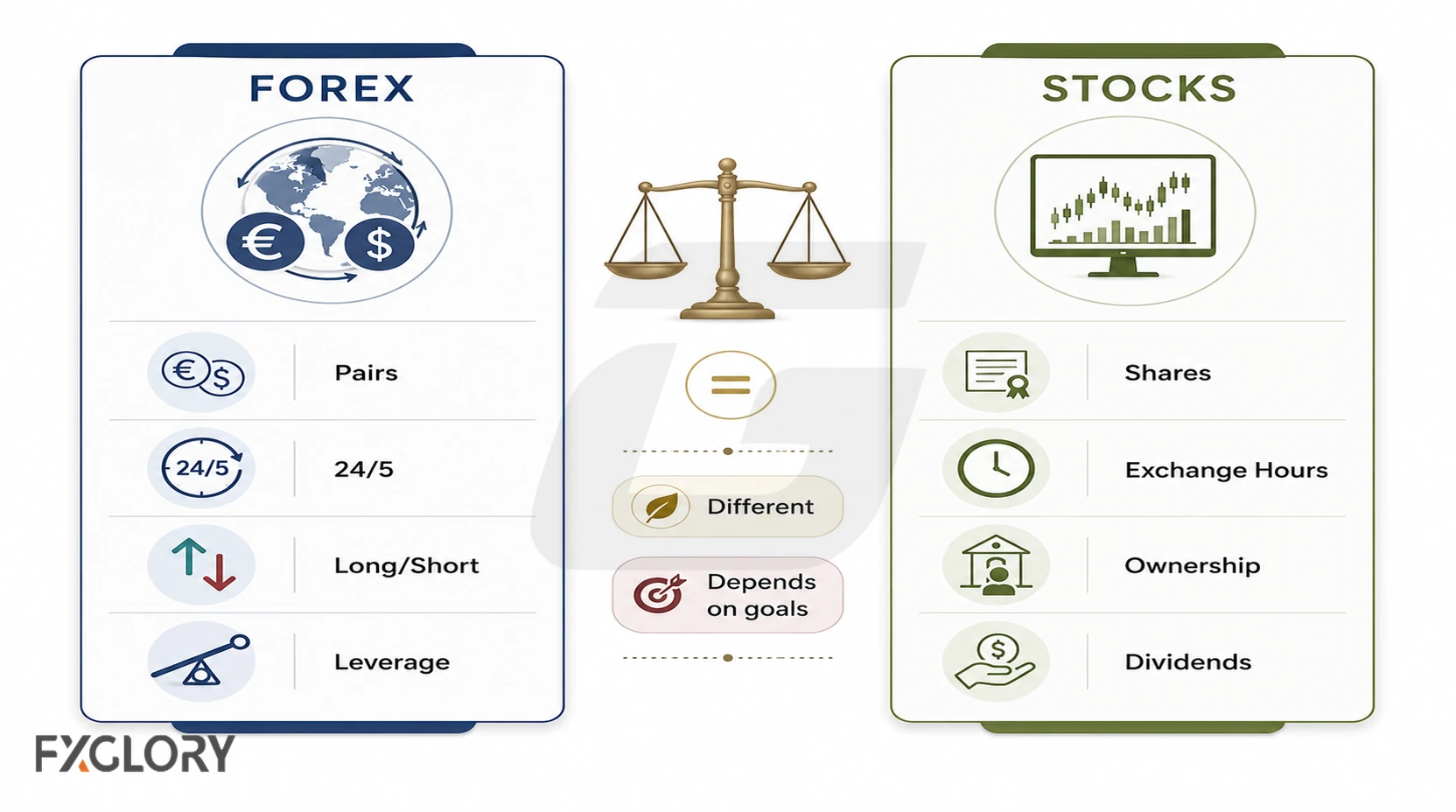
Forex and stocks are different markets. Forex is not automatically better than stocks, and stocks are not automatically better than forex.

FeatureForexStocks
What is tradedCurrency pairs.Shares of companies.
Market hoursActive across much of the weekday.Usually tied to exchange trading hours.
Main driversInterest rates, inflation, central banks, trade flows, risk sentiment and macro data.Company earnings, valuation, sector trends, management, dividends and market sentiment.
OwnershipNo ownership of a company.Shares may represent company ownership.
Income featuresMay involve swap or rollover charges or credits.Some stocks may pay dividends.
LeverageOften margin-based for retail traders.May be cash-based or margin-based depending on account and product.
StyleOften active trading or speculation.Can be active trading or long-term investing.

The better market depends on the trader's goals, experience, risk tolerance, time commitment and understanding of the product.

Before You Decide: Risk and Broker Checklist

Before deciding whether forex is a good idea, check both trading risk and broker risk.

Trading risk checklist

  • Do I understand leverage?
  • Can I accept losing trades?
  • Do I have a written trading plan?
  • Do I know my maximum risk per trade?
  • Do I know where my stop-loss goes before entry?
  • Do I understand spread, slippage and swap?
  • Have I practiced on demo or small size?
  • Can I avoid revenge trading after losses?
  • Do I journal trades and review mistakes?

Broker safety checklist

  • Have I checked who regulates the broker where applicable?
  • Have I reviewed withdrawal terms and account restrictions?
  • Do I understand spreads, commissions, swap and other fees?
  • Do I understand what protections apply in my jurisdiction?
  • Am I avoiding social-media promises, account managers or signal sellers that pressure me to deposit?
  • Do I know what happens if there is a dispute?

In some retail forex arrangements, the broker or dealer may be the counterparty to the trade. Traders should understand the execution model, possible conflicts, withdrawal rules and account protections before depositing.

Safety rule: Do not deposit money because someone promises easy profit, guaranteed returns or urgent opportunity. If withdrawals are delayed, restricted or tied to new deposits, treat that as a serious warning sign.

Common Myths About the Advantages of Forex

Forex advantages are often misunderstood. Avoid these myths:

  • Myth 1: Forex is easy because it is accessible. Easy access does not make trading easy or suitable.
  • Myth 2: High leverage is always an advantage. Leverage can magnify losses as well as gains.
  • Myth 3: 24-hour trading means you should trade anytime. Flexible hours can create overtrading without session rules.
  • Myth 4: Low commission means no cost. Spread, slippage, swap and other fees can still affect results.
  • Myth 5: Forex can quickly replace income. Forex trading is risky and should not be treated as guaranteed income.
  • Myth 6: Demo success guarantees live success. Live trading can involve different emotions, spreads, slippage and execution pressure.
  • Myth 7: Hedging removes risk. Hedging may reduce one exposure while adding cost, complexity or correlation risk.
  • Myth 8: All currency pairs are equally liquid. Liquidity varies by pair, session, event and market condition.
  • Myth 9: Going long or short makes forex easier. More direction choices do not replace analysis, risk control and a plan.
  • Myth 10: Forex is better than stocks for everyone. Forex and stocks are different markets with different risks and uses.

Quick Recap: Forex Advantages and Risks

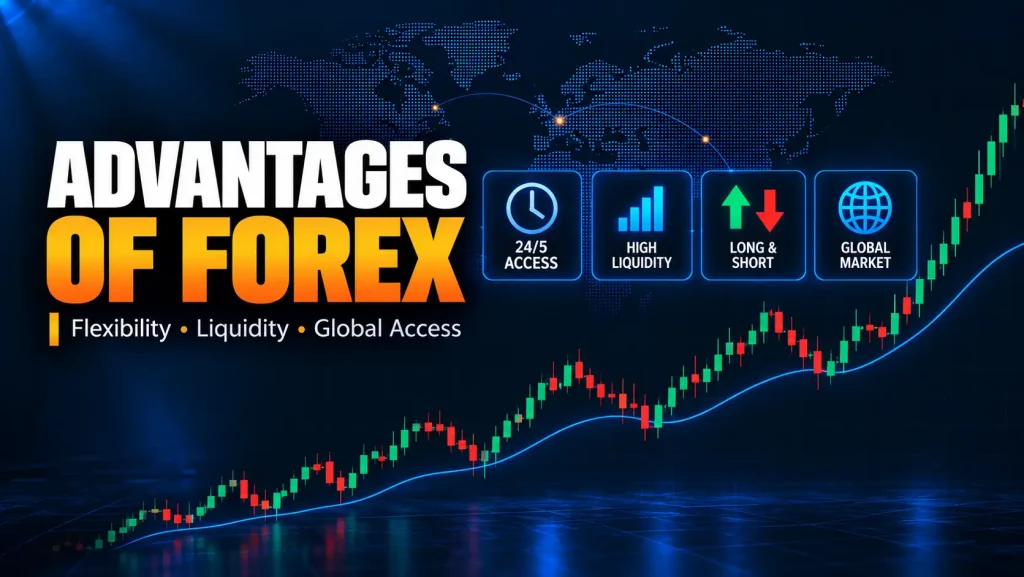
The advantages of forex trading include flexible weekday access, high liquidity in major pairs, long and short trading, lower entry barriers, smaller position-size options, currency-pair choice, demo practice and global market exposure.

The disadvantages include leverage risk, volatility, costs, slippage, broker or counterparty risk, emotional stress, overtrading risk and the difficulty of trading consistently.

Forex may be worth learning if you treat it as an active trading skill, use a plan, start small, manage risk and review your results honestly. It may not be a good idea if you want fast income, guaranteed returns or high-leverage shortcuts.

Forex is accessible to beginners, but not automatically suitable for beginners. The advantage is access. The responsibility is risk control.

Final rule: Only count a forex feature as an advantage after you understand the cost, risk and discipline required to use it responsibly.

Frequently Asked Questions

What are the advantages of forex trading?

The main advantages of forex trading include 24/5 market access, high liquidity in major pairs, the ability to go long or short, lower entry barriers, smaller position-size options, demo practice and access to global currency movements.

What are the benefits of forex trading?

The benefits of forex trading can include flexible trading hours, liquid major currency pairs, long and short opportunities, margin-based access, many currency pairs, trading tools and the ability to practice on demo. These benefits come with risks such as leverage, volatility, costs and emotional pressure.

What are the disadvantages of forex trading?

The disadvantages of forex trading include leverage risk, volatility, spread and swap costs, slippage, broker or counterparty risk, emotional stress, overtrading risk and the difficulty of trading consistently.

What are the pros and cons of forex trading?

The pros of forex trading include flexible market hours, liquidity, long and short trading, lower entry barriers and global currency exposure. The cons include leverage risk, fast price movement, trading costs, broker risk, emotional pressure and the possibility of losing money.

Is forex trading a good idea?

Forex trading may be a good idea only for people who understand the risks, use a trading plan, control position size, start small and accept losses. It may not be a good idea for anyone looking for quick income, guaranteed returns or high-leverage shortcuts.

Should I trade forex?

You should consider forex only if you understand leverage, spreads, volatility, broker conditions, position sizing and risk management. If you cannot follow a plan, accept losses or avoid emotional trading, forex may not be suitable.

Is forex good for beginners?

Forex is accessible to beginners, but it is not automatically suitable for beginners. Beginners should learn the basics, practice on demo, use small size, write a plan and avoid high leverage before risking meaningful capital.

Why do people trade forex?

People trade forex because the market offers flexible weekday hours, liquid major pairs, long and short opportunities, currency-pair variety, global macro exposure and margin-based access. These features can be useful, but they do not remove risk.

Is forex better than stocks?

Forex is not automatically better than stocks. Forex may offer longer weekday hours, major-pair liquidity and currency-pair trading, while stocks may offer ownership, company fundamentals, dividends and exchange-based market structure. The better choice depends on the trader's goals, risk tolerance and experience.

Can forex trading make you rich?

Forex trading should not be treated as a quick path to wealth. Leverage, volatility, costs and poor risk management can deplete capital quickly. Traders should focus on learning, risk control and process rather than quick-rich expectations.

What is the biggest advantage of forex trading?

One of the biggest advantages of forex trading is flexibility: major currency pairs can be traded across much of the weekday, with opportunities to go long or short. That flexibility becomes harmful if it leads to overtrading.

What is the biggest risk of forex trading?

One of the biggest risks of forex trading is leverage. Leverage can make larger positions easier to open, but losses are still based on the full position size and can grow quickly.

Does leverage make forex trading better?

Leverage can make forex more capital-efficient, but it does not make trading safer or easier. It is only useful when position size and maximum loss are controlled before entry.

Is forex trading low cost?

Forex may have low or no direct commission in some accounts, but trading is not free. Costs can include spread, slippage, swap or rollover charges, commissions, platform conditions and other broker fees.

Is 24-hour forex trading an advantage?

The near-24-hour weekday market can be an advantage for traders who need flexible timing. It becomes a disadvantage if it causes overtrading, poor sleep, emotional decisions or trading outside a plan.

Related Contents

What Is Forex?Start with the basic meaning of the foreign exchange market.
Forex Trading ExamplesSee example trades showing pips, profit, loss, spread, margin and leverage.
Forex Trading TipsUse practical rules for risk control, discipline, journaling and safer trading habits.
Forex Trading Plan TemplateBuild a written plan with pairs, sessions, risk limits, entries, exits and review rules.
Best Leverage for ForexUnderstand how leverage can affect position size, margin and trading risk.
What Is Liquidity in Forex?Learn why liquidity can affect spreads, fills and slippage.
What Is Volatility in Forex?Understand how price movement can affect stop distance, risk and trade timing.
Bid and Ask Price in ForexLearn how bid, ask and spread affect real forex entries and exits.
What Is Swap in Forex?Understand overnight swap or rollover charges before holding trades overnight.
Forex Market ParticipantsLearn who participates in the forex market and how different participants can affect prices.

Practice Before Trading Live

Use a free demo account to test your strategy, risk rules, and execution process before placing a real-money trade.

Open a Free Demo Account