

Quick Answer: Benefits of Forex Trading
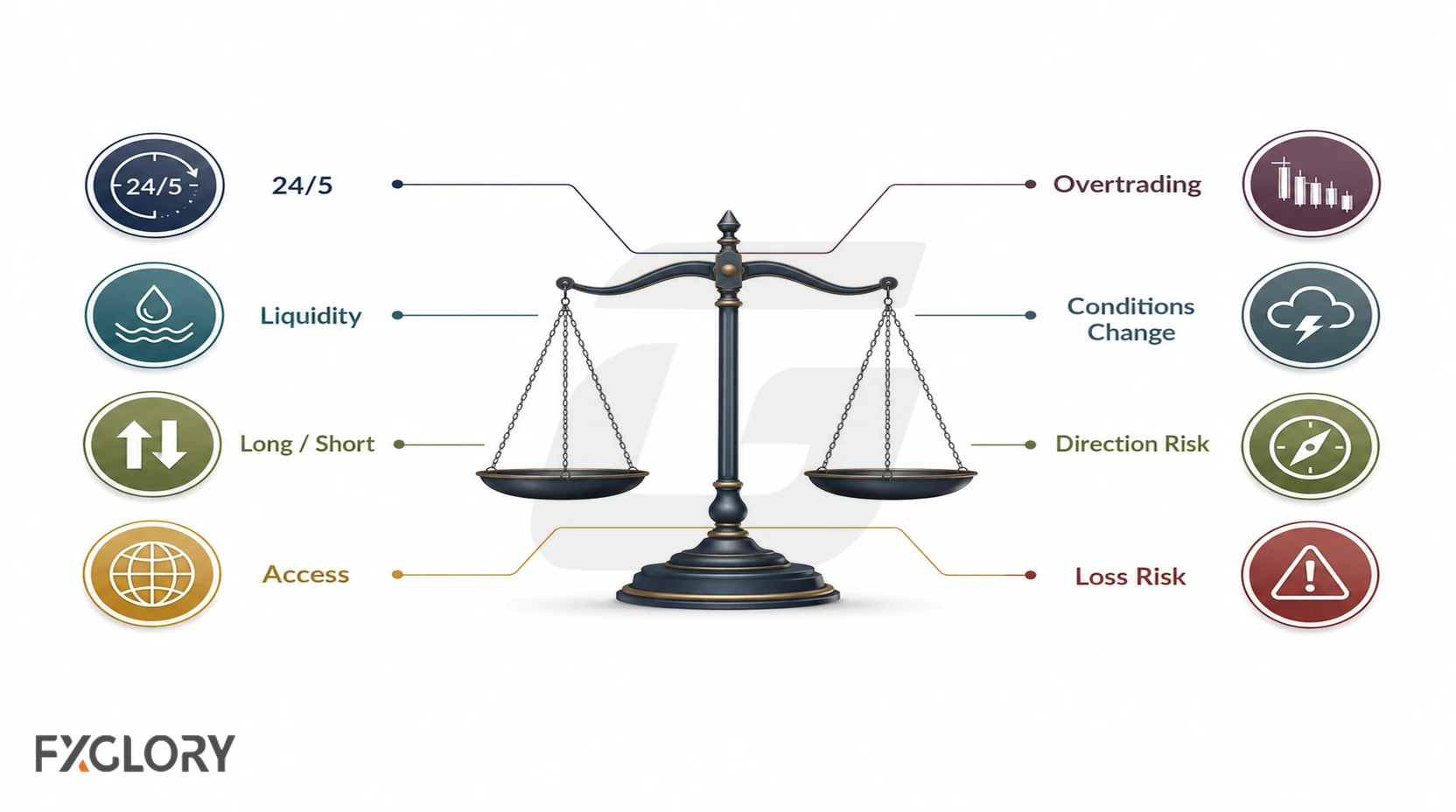
A useful way to evaluate forex is to separate the market feature from the conditions required to use it well. For example, longer trading hours provide flexibility, but they can also encourage trading outside a defined schedule.
Forex Trading Pros and Cons at a Glance
| Potential Benefit | Important Limitation |
|---|---|
| Flexible weekday access: Forex trading continues across the major global sessions. | More market hours can encourage overtrading or poor timing. |
| High liquidity in major pairs: Active participation can support efficient entry and exit. | Liquidity varies by pair, session, event and market condition. |
| Long and short trading: Traders can express a view on either direction of a currency pair. | More directional choice does not make direction easier to predict. |
| Smaller position-size options: Traders can often learn and test with limited size. | Small minimum sizes do not remove the possibility of loss. |
| Margin-based trading: Margin can make a given notional position more capital-efficient. | Larger exposure relative to equity makes a given price move have a larger account impact. |
| Global currency exposure: Pairs reflect economic and policy differences between countries. | Several macroeconomic drivers can affect a pair at the same time. |
| Demo practice: Traders can learn platform mechanics without risking live capital. | Demo results do not fully reproduce live execution or emotional pressure. |
When Does a Forex Benefit Actually Help?
A feature becomes useful when it matches the trader's strategy, risk limits and execution conditions. Market access is valuable when it fits a defined session. Liquidity is valuable when the pair and session are actually active. Leverage can reduce the margin needed for a position, but only disciplined position sizing controls how much account equity is exposed to a market move.
Main Benefits of Forex Trading
1. Flexible Weekday Market Access
Forex is active across much of the working week as trading moves through major financial centers such as Sydney, Tokyo, London and New York. This can give traders more flexibility than a market tied to one local exchange session.
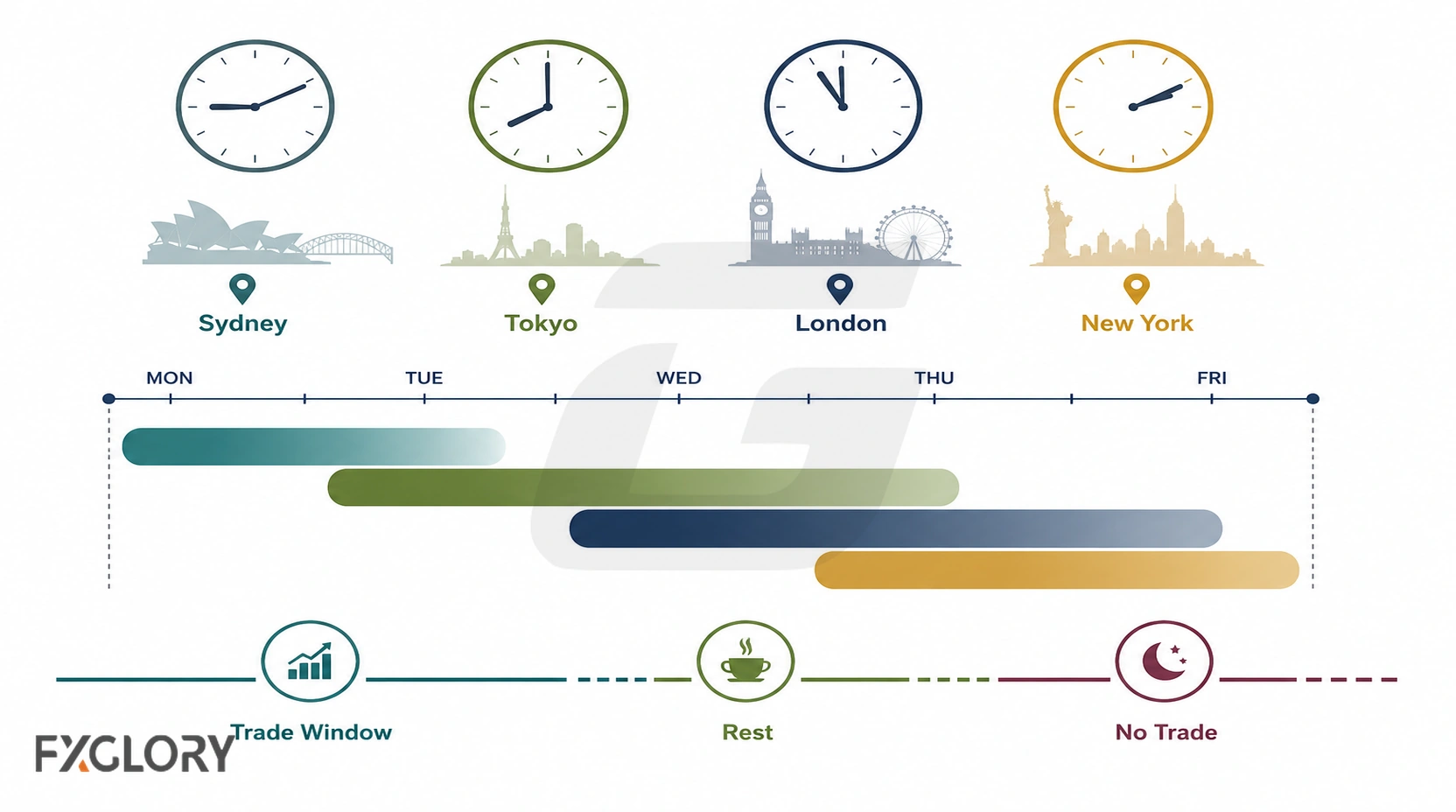
The benefit is scheduling flexibility, not a need to monitor the market continuously. A trading plan can define which session is relevant and when no trading is allowed.
2. High Liquidity in Major Currency Pairs
Major currency pairs often have substantial market participation. In active conditions, deeper liquidity can support tighter spreads and more efficient execution than in thinner markets.
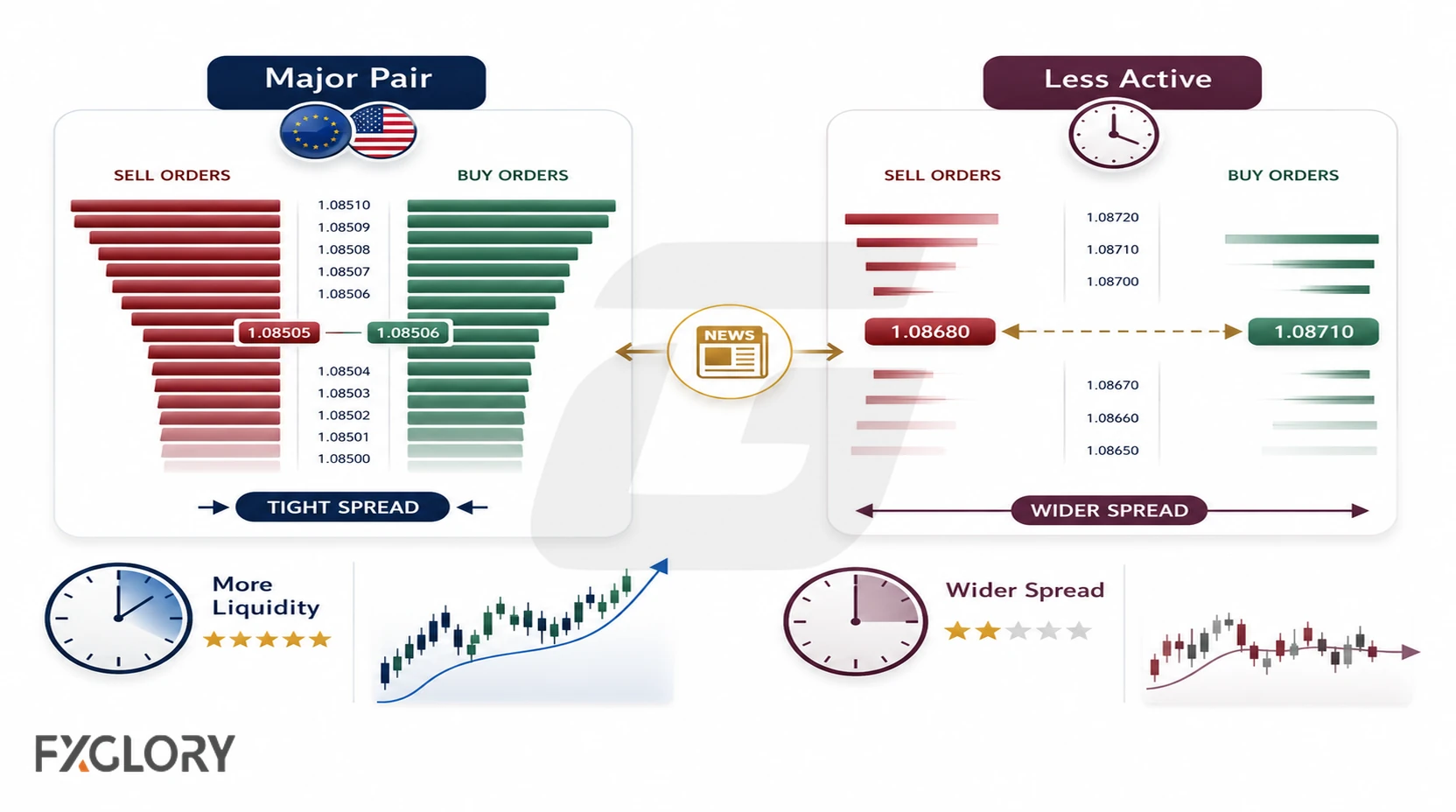
Liquidity is not a fixed property of every pair. It can change around quiet sessions, rollover, holidays, major news and periods of market stress. For more detail, see what is liquidity in forex.
3. Long and Short Trading
A forex trade always involves two currencies. Buying a pair means buying the base currency and selling the quote currency; selling the pair does the opposite.
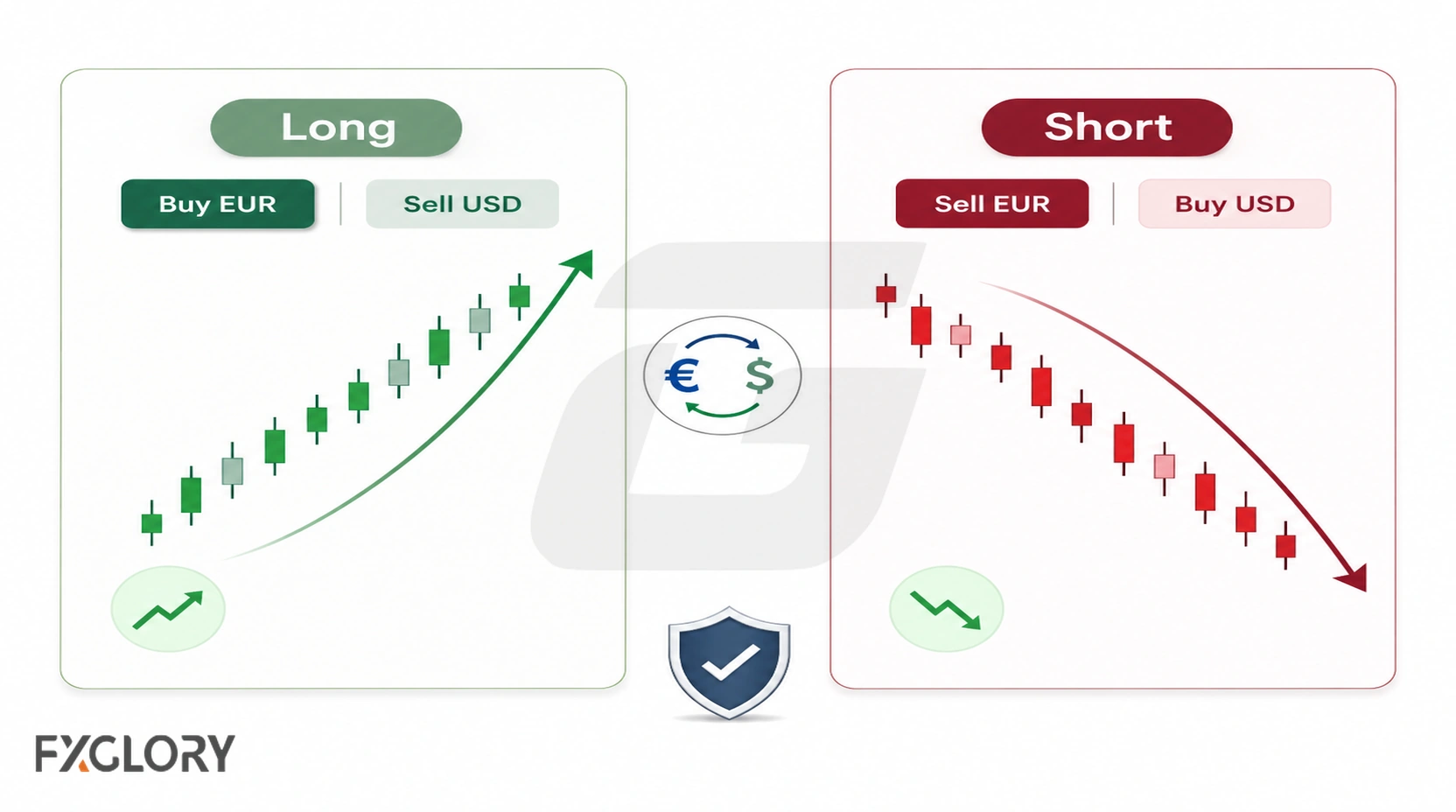
This structure allows traders to take a view on relative currency strength in either direction. It does not improve forecast accuracy, so entry, stop-loss and exit rules still matter. For practical examples, see forex trading examples.
4. Demo Access and Smaller Position Sizes
Demo accounts and smaller position-size options can make it easier to learn platform mechanics, order types, stop placement and journaling before taking larger financial risk.
Accessibility is different from suitability. A person can open or practice with an account before they have the knowledge or discipline needed to trade consistently. The practical benefit is the ability to learn in stages rather than the idea that forex itself is easy.
5. Leverage and Capital Efficiency
Leverage allows a trader to control a notional position that is larger than the margin posted for that position. This can make capital use more flexible, but it does not magnify the market's price movement.
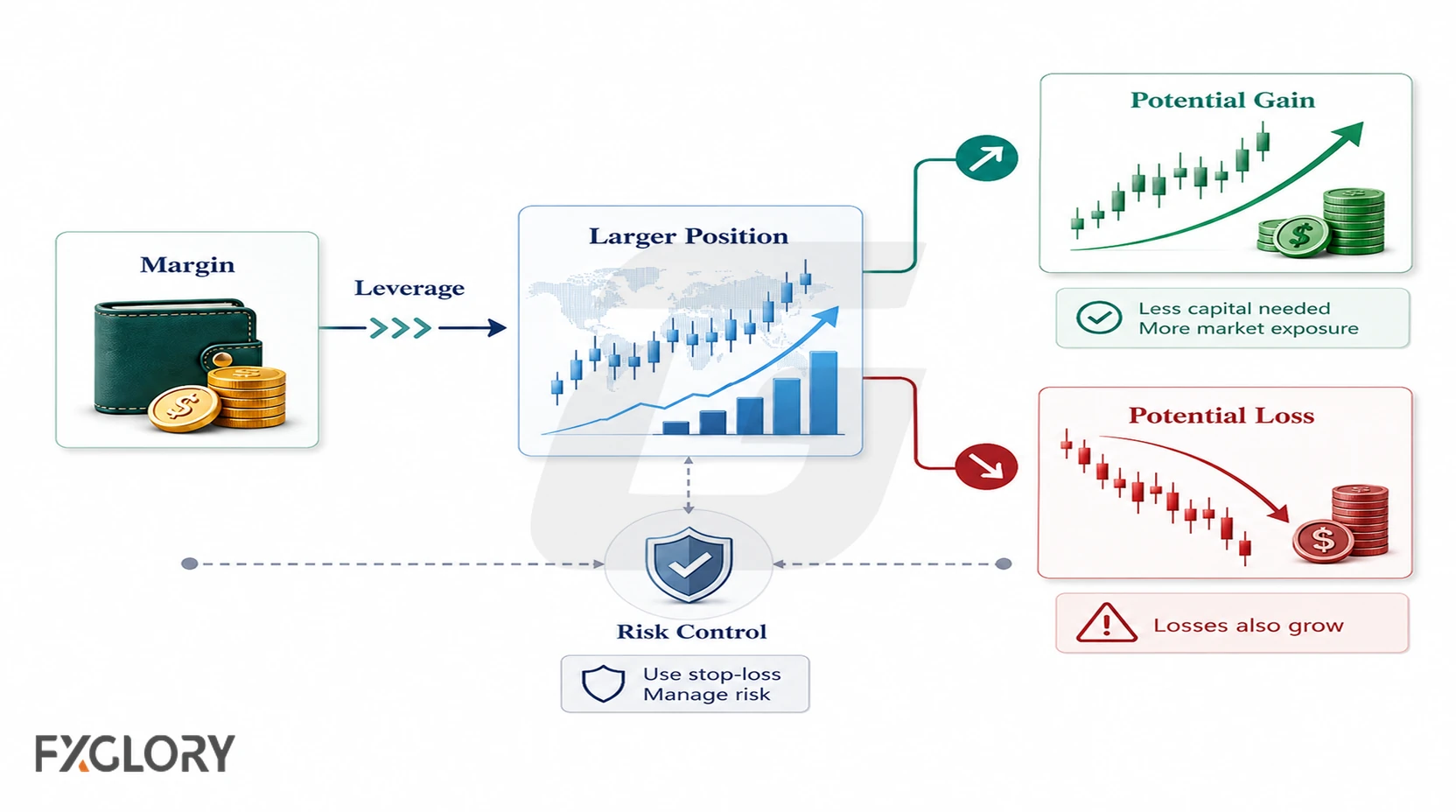
If leverage is used to take a larger position relative to account equity, the profit or loss from the same percentage price move will have a larger monetary effect on the account. For that reason, leverage is only useful when position size, stop distance and maximum risk are defined before entry.
For a deeper explanation, see best leverage for forex.
6. Global Currency Exposure
Forex gives traders access to currency pairs influenced by interest rates, inflation, economic data, central-bank policy, trade flows and risk sentiment. This can appeal to people who want to analyze relationships between economies rather than a single company.
More pairs do not automatically provide more diversification. Two trades may share the same currency or respond to the same macroeconomic theme. For background on the institutions and participants involved, see forex market participants.
7. Potentially Low Direct Trading Costs
Some forex accounts use spread-based pricing or relatively low direct commissions. The relevant comparison is total trading cost, not the advertised commission alone.
- Spread: The difference between the bid and ask price.
- Slippage: The difference between the expected execution price and the actual fill.
- Swap or rollover: A charge or credit that may apply when a position remains open past rollover.
- Commission: A direct transaction fee on some account types.
Frequent traders can be especially sensitive to spread and execution because those costs are incurred repeatedly. See bid and ask price in forex and what is swap in forex for the underlying mechanics.
8. Demo Practice and Trading Tools
Demo trading can help a learner practice entries, exits, stop-loss orders, position sizing and journaling without putting live capital at risk.
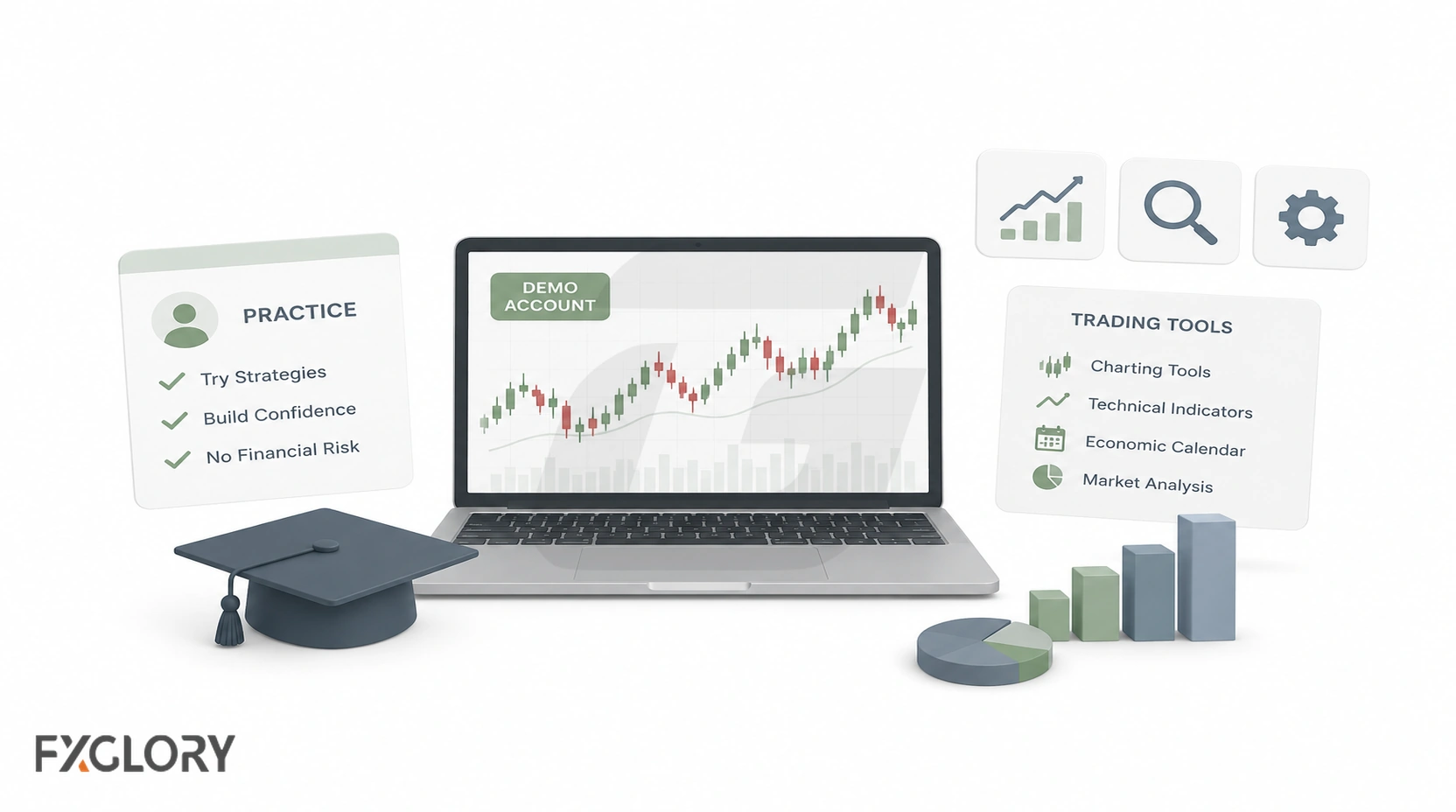
Demo conditions cannot fully reproduce live emotions or every execution difference. A sensible progression is to learn the mechanics, test a written plan, and review rule-following before increasing financial exposure. For practical process guidance, see forex trading tips and the forex trading plan template.
9. Hedging and Currency Exposure Management
Forex can also be used to offset certain currency exposures. A hedge may reduce one specific risk, but it can introduce basis risk, additional spread or rollover cost, and correlation complexity.
That means hedging is not a universal benefit on its own; its usefulness depends on how closely the hedge matches the original exposure and what it costs to maintain.
Is Forex Trading a Good Idea?
Whether forex is suitable depends on the person and the way they intend to trade. The market may appeal to someone who wants an active trading format, can accept losses, understands position sizing and is willing to follow a written process. It is a poor match for expectations of easy or predictable income.
| Conditions That Support a Structured Approach | Warning Signs |
|---|---|
| You can define risk before entering a trade. | You increase size to recover losses. |
| You can follow a written setup and session plan. | You trade mainly from impulse or urgency. |
| You understand spread, slippage, swap and leverage. | You focus only on potential profit and ignore costs or exposure. |
| You review trades and rule-following. | You repeatedly change rules after isolated wins or losses. |
Forex trading is generally active speculation rather than passive investing. The decision therefore involves not only market knowledge but also time commitment, execution discipline and tolerance for loss.
Forex vs Stocks: Different Market Structures
Forex and stocks provide different kinds of exposure. Neither is automatically more suitable for every trader or investor.
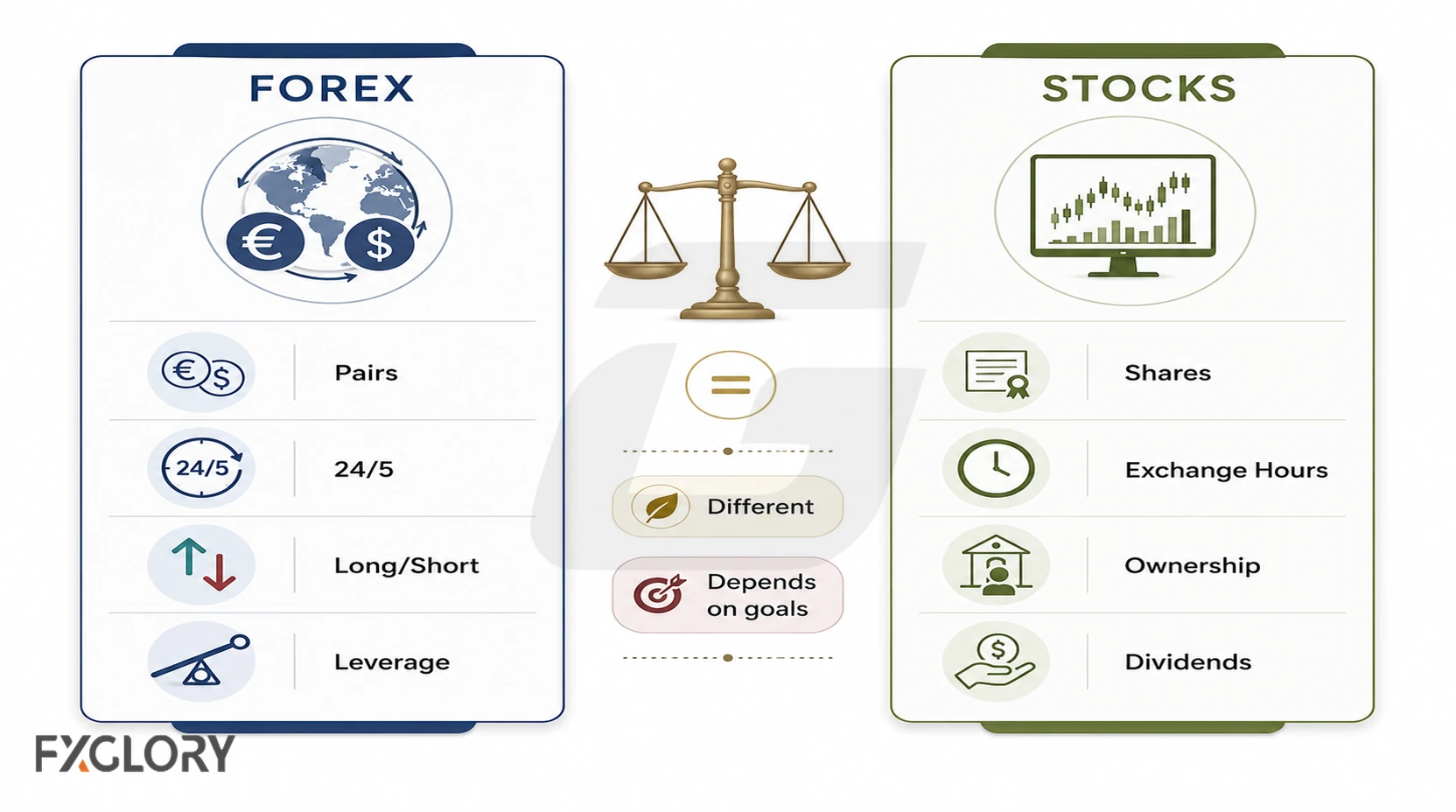
| Feature | Forex | Stocks |
|---|---|---|
| Instrument | Currency pairs. | Shares of companies. |
| Trading hours | Active across much of the working week. | Usually centered on exchange trading hours, with some venues offering extended sessions. |
| Main drivers | Interest rates, inflation, central-bank policy, economic data and risk sentiment. | Company earnings, valuation, sector conditions, management and broader market sentiment. |
| Ownership | A forex position does not provide ownership in a company. | Shares may represent an ownership interest in a company. |
| Typical use | Often active trading, speculation or currency hedging. | Can be used for active trading or long-term investing. |
Before You Decide: Practical Checklist
Before using any of the market's potential benefits, make sure you understand the mechanics that determine actual risk and cost.
- Market mechanics: Do I understand base and quote currencies, pips, bid and ask prices?
- Exposure: Do I understand how position size and leverage affect the account impact of a price move?
- Risk: Is the maximum planned loss defined before entry?
- Execution: Do I understand spread, slippage, liquidity and volatility?
- Holding cost: Have I checked whether swap or rollover applies?
- Process: Do I have defined setups, trading times and conditions that block a trade?
- Review: Will I record trades and evaluate whether I followed the plan?
Common Myths About Forex Benefits
- Myth: Easy access means easy trading. Access to a platform or demo account does not remove the need to understand risk and execution.
- Myth: Leverage makes market moves larger. Leverage changes the exposure controlled relative to margin or equity; it does not change the market's percentage price movement.
- Myth: Weekday access means there is always a good trade. Market availability and trade quality are different things.
- Myth: Low commission means no trading cost. Spread, slippage and rollover may still affect the result.
- Myth: Demo performance predicts live performance. Live execution and emotional pressure can produce different behavior and outcomes.
- Myth: More currency pairs automatically mean more diversification. Pairs can share the same currency or macroeconomic driver.